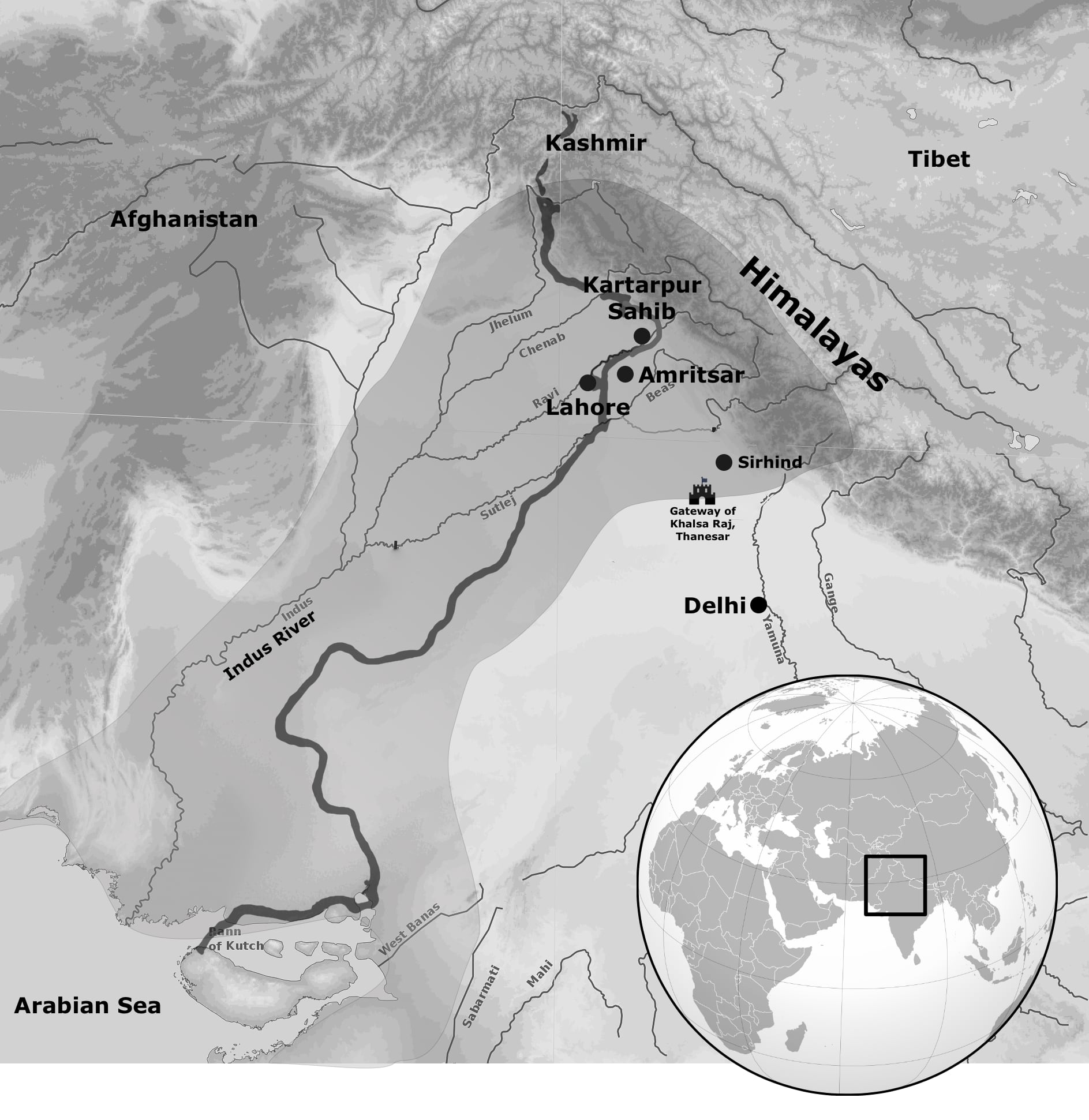
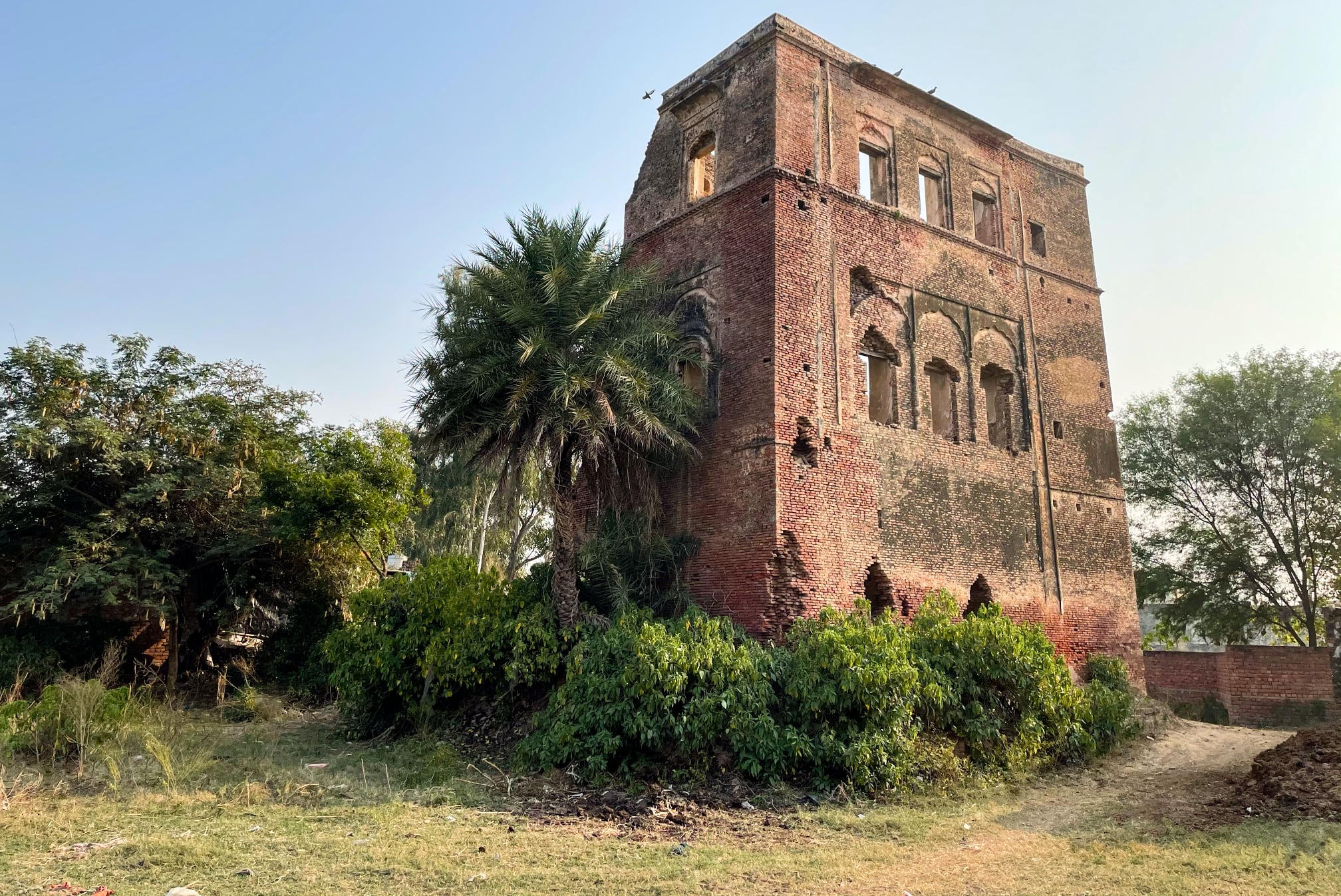
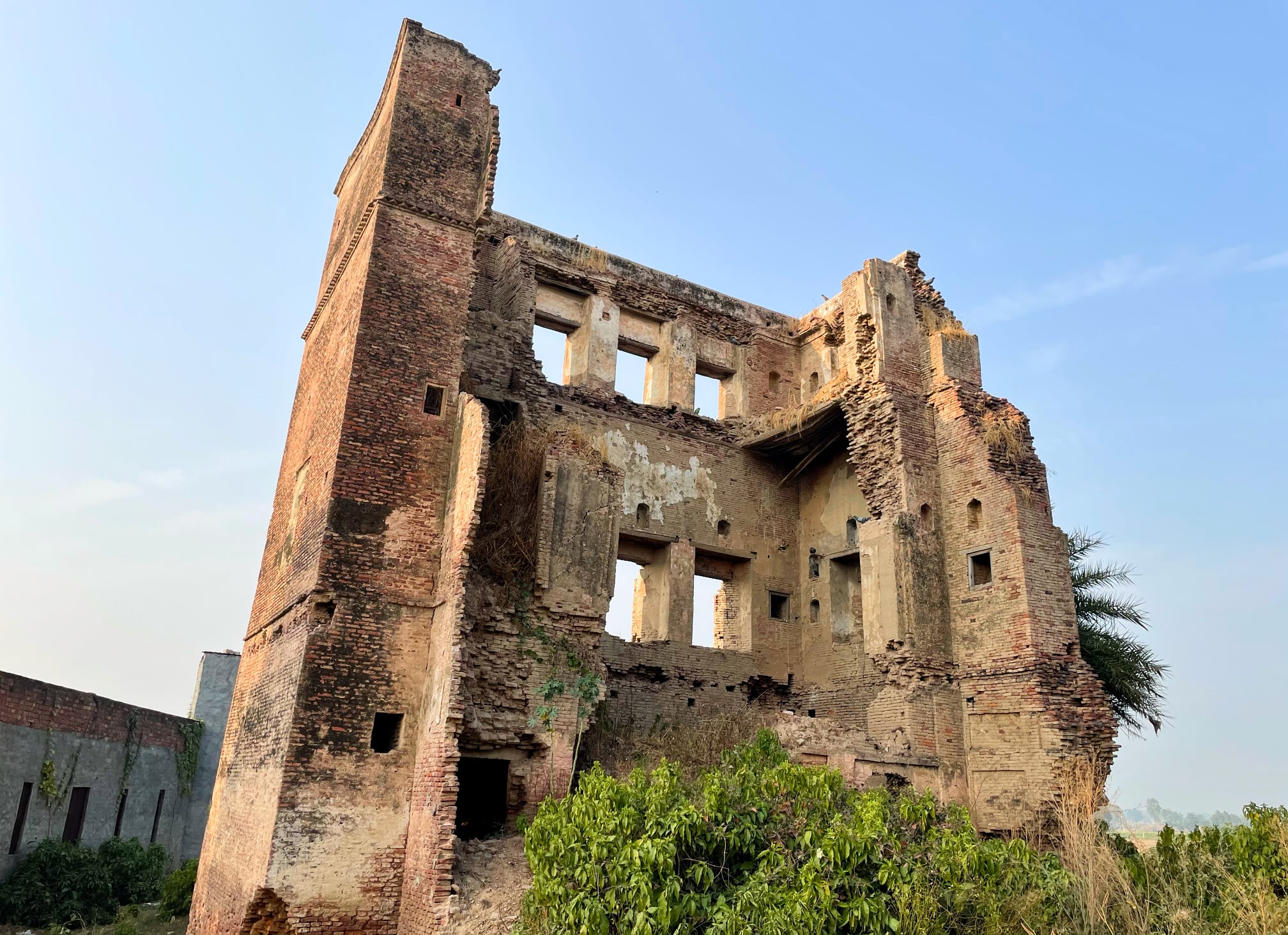
Gateway of Khalsa Raj (Sikh Kingdom) at Thanesar was the extent of influence of Indus Valley Civilization and the Sikhs. Sikhs went beyond this as well and conquered Delhi more than 12 times.
The city of Sirhind (literally Head of Hind/Hindustan) was demarcation between the Indus Valley Civilization and Hind/Hindustan. Sirhind has now been renamed to Fatehgarh Sahib as it was conquered (fateh) by the Sikh General Banda Singh Bahadar in May 1710.
Sikh Kingdom of Maharaja Ranjit Singh fell to the British Empire in 1849.
The British Empire destroyed Sikh's agriculture forcing migration to the West. "The British authorities in the Punjab taxed Sikhs not in kind as the Sikh Kingdom used to, but in cash, so that a sharp fall in crop prices led to the bankruptcy of many peasants who failed to sell their products in the markets at a good price." (Cao Yin, 'From Policemen to Revolutionaries: A Sikh Diaspora in Global Shanghai, 1885
The British knowingly and systematically destroyed Sikh's education system which was more effective than they system they introduced. British Professor Leitner in his study wrote "Respect for learning has always been the redeeming feature of 'the East'. To this the Punjab has formed no exception." "The true education of the Panjab was crippled, checked, and is nearly destroyed; how opportunities for its healthy revival and development were either neglected or perverted; and how, far beyond the blame attaching to individuals, our [British] system stands convicted of worse than official failure." (Leitner, 1883)
The British destroyed Sikligar Sikhs Wootz Steel industry to protect their inferior steel. British Empire declared Sikligar Sikhs as 'Criminal Tribes'.
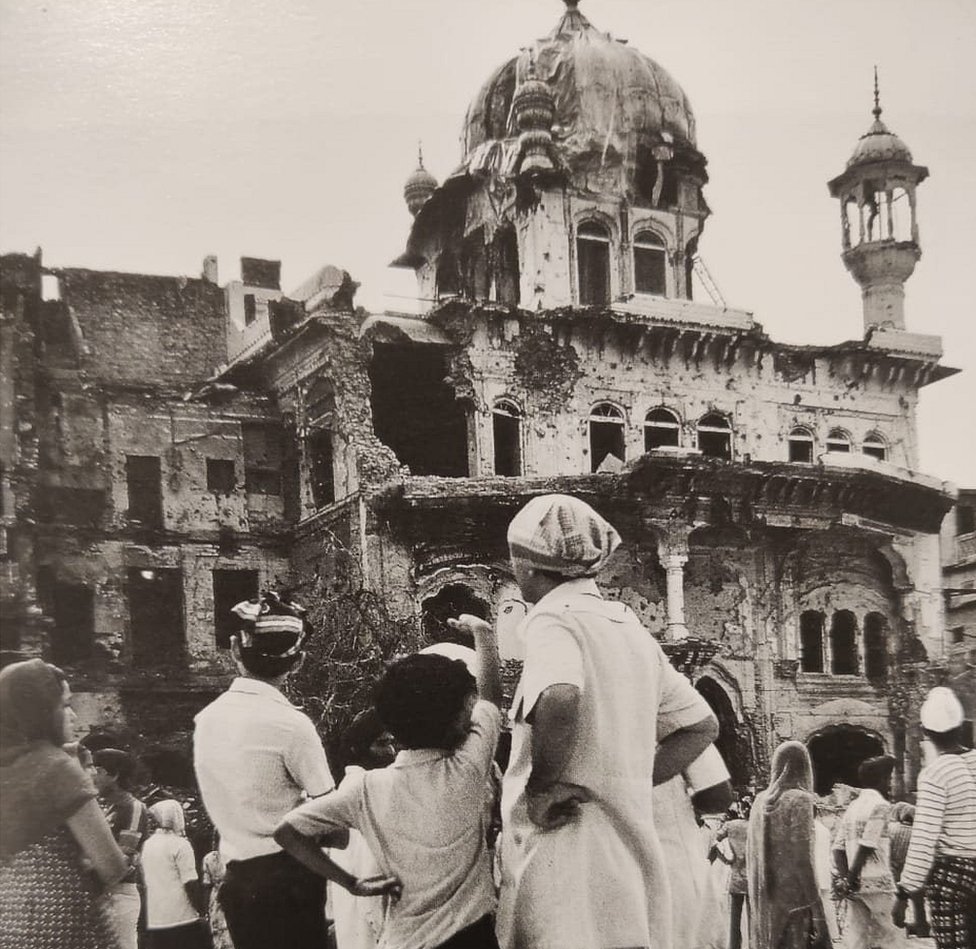
The British Empire suppressed political movements in South Asia. The worst repression was reserved for the Sikhs as the British conquered the Sikh Kingdom and naturally worried about resurgence of the Sikhs.
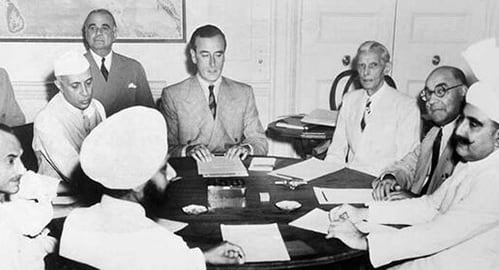
As a result of this economic, educational, and political repression, the Sikhs could not mobilize to form their own Nation-State in 1947. Various Nations were bunched together with Hind/Hindustan to form 'India'.
Sikh's greatest strategic and historical blunder was becoming part of India in 1947. Almost all of Sikh's current predicament comes from this grave strategic blunder to not carve out a Nation-State for themselves at the critical crossroad of History in 1947.
Sikhs and Punjab becoming part of India was a great blunder because Sikhs and Punjab are a different ethnicity, civilization, religion, culture, language, food, and outlook. 'Clash of Civilizations' by Samuel Huntington shows that people with different civilizational values do not work well together.
Sikhs were left politically homeless and condemned to live as second class citizen in a third world 'Malevolent Republic' that is India, with which they have nothing in common, deep distrust, and complete ideological mismatch. Indian writers also write about 'Malevolent Republic' that is India. (K.S. Komireddi, 2020)
Prof. Gurdarshan Singh Dhillon has written about "Evolution of the Demand for a Sikh Homeland". (Prof. Gurdarshan Singh Dhillon, 1974) He chronicles broken political promises and insincerity of India with the Sikhs. He also documented Sikh grievances and repression in his book "India Commits Suicide". (Prof. Gurdarshan Singh Dhillon, India commits suicide, 1993)
Efforts to undo this Historical injustice and aberration continue to this day. The Khalastan movement and Khalastan Referendum are part of this effort. (Khalistan Referendum, Wikipedia, 2025)