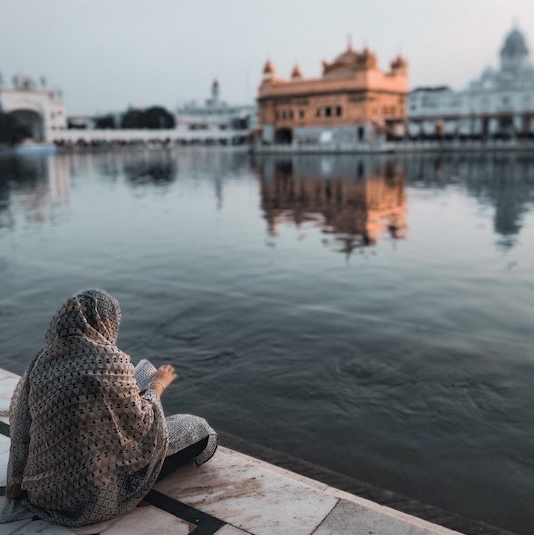
Sikh women have always had equal rights as men in theory and practice since its inception more than 500 years ago.
There are no restrictions for women. They are allowed and encouraged equal participation in all religious, cultural, economic, political, and public activities.
There is no battle of sexes, as men and women are different and equal with different and equally important roles in the community. Sikhs are culturally conservative, while carefully embracing modernity.
Bebe Nanki (1464
Mata Khivi (1506
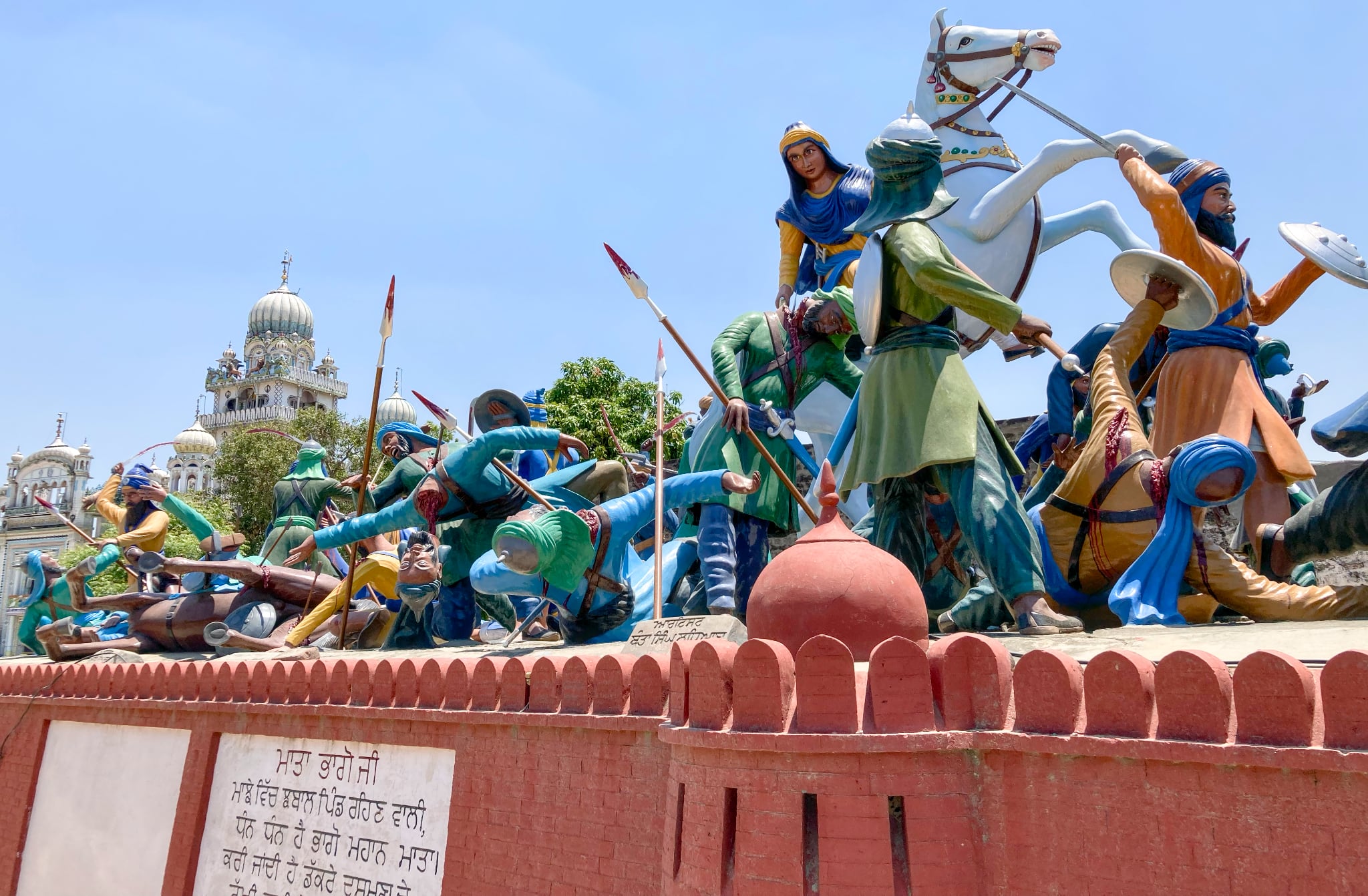
Mai Bhago (Mata Bhag Kaur, 1670-1720) organized and led 40 Sikhs into a legendary battle in 1705.
Mata Gujri (Mata Gujar Kaur, 1624-1705) was wife of Ninth Sikh Guru Tegh Bahadar. She witnessed rise of Guru Tegh Bahadar. She gave birth to Tenth Sikh Guru Gobind Singh. Her prominent role was her escape with her two grandsons from Anandpur Sahib fort under siege. She was separated from Guru Gobind Singh. She was betrayed by Gangu Brahmin. She witnessed the martyrdom of her two Grandsons. Mata Gujri led an eventful life witnessing the ups and downs of two Sikh Gurus at a crucial time in Sikh History.
Rani (Queen) Jindan: Her name is Jind Kaur (1817-63). She was wife of Maharaja Ranjit Singh and mother of Maharaja Daleep Singh. She became a Regent (temporary monarch) after the death of Maharaja Ranjit Singh as their son Maharaja Daleep Singh was young. Her contribution was managing the Sikh Kingdom as well her family after the death of Maharaja Ranjit Singh. She was Regent during Anglo-Sikh war. She was imprisoned and abolished from Punjab due to fear of Sikhs rallying around her and rebelling. She was exiled to various places in India, Nepal, and eventually England where she died in 1863 at a young age of 46.
Princess Bamba (1869-1957): She was the daughter of Maharaja Daleep Singh and Bamba Muller. Her maiden name was Bamba Sofia Jindan Duleep Singh. She changed it to Bamba Sutherland after marriage. She was born in England and was a suffragette (campaigner for womens rights). She moved to Lahore where she died. Her collection of artifacts from Sikh Kingdom is on display at the Princess Bamba Collection at Lahore Fort.
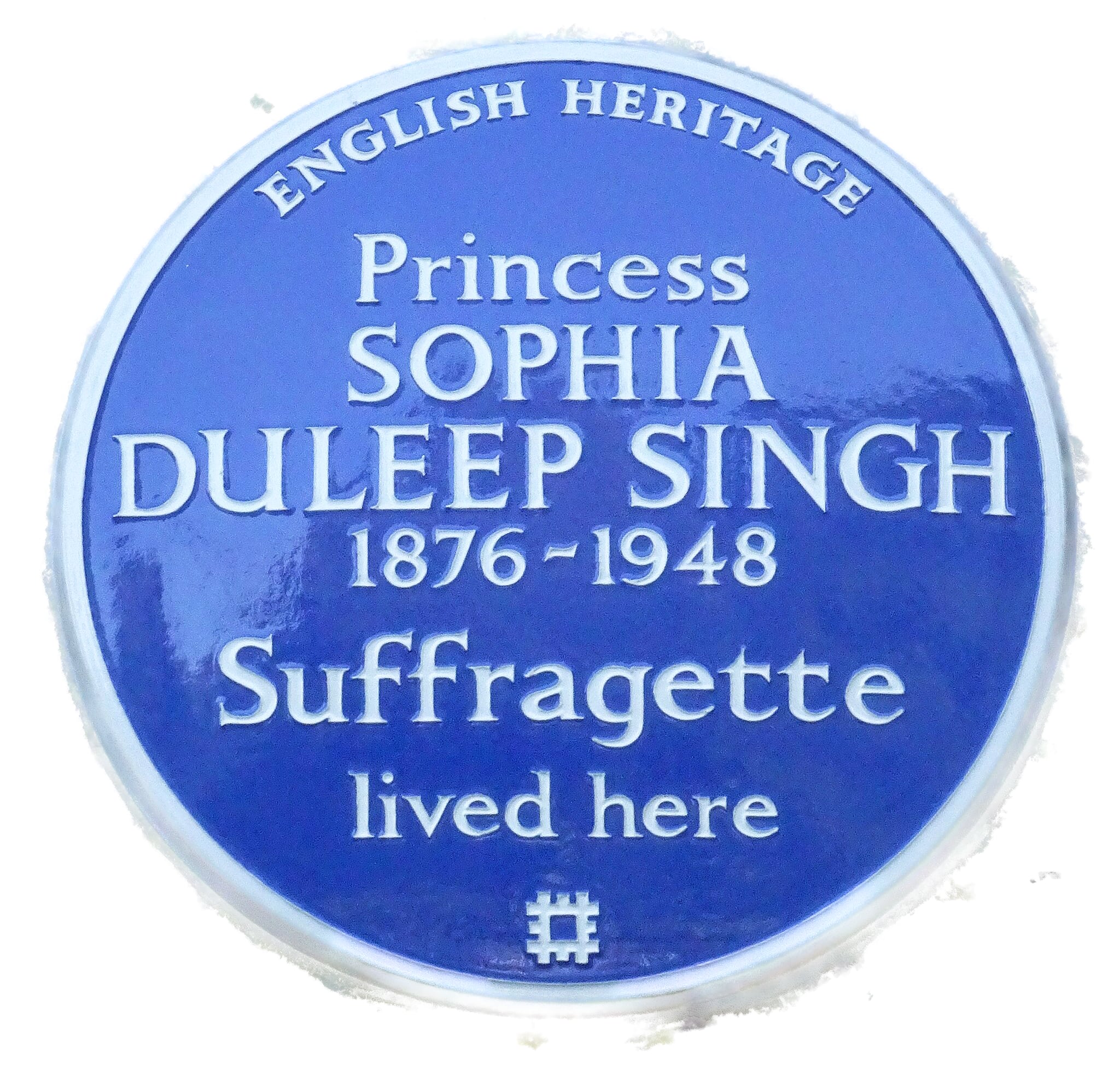
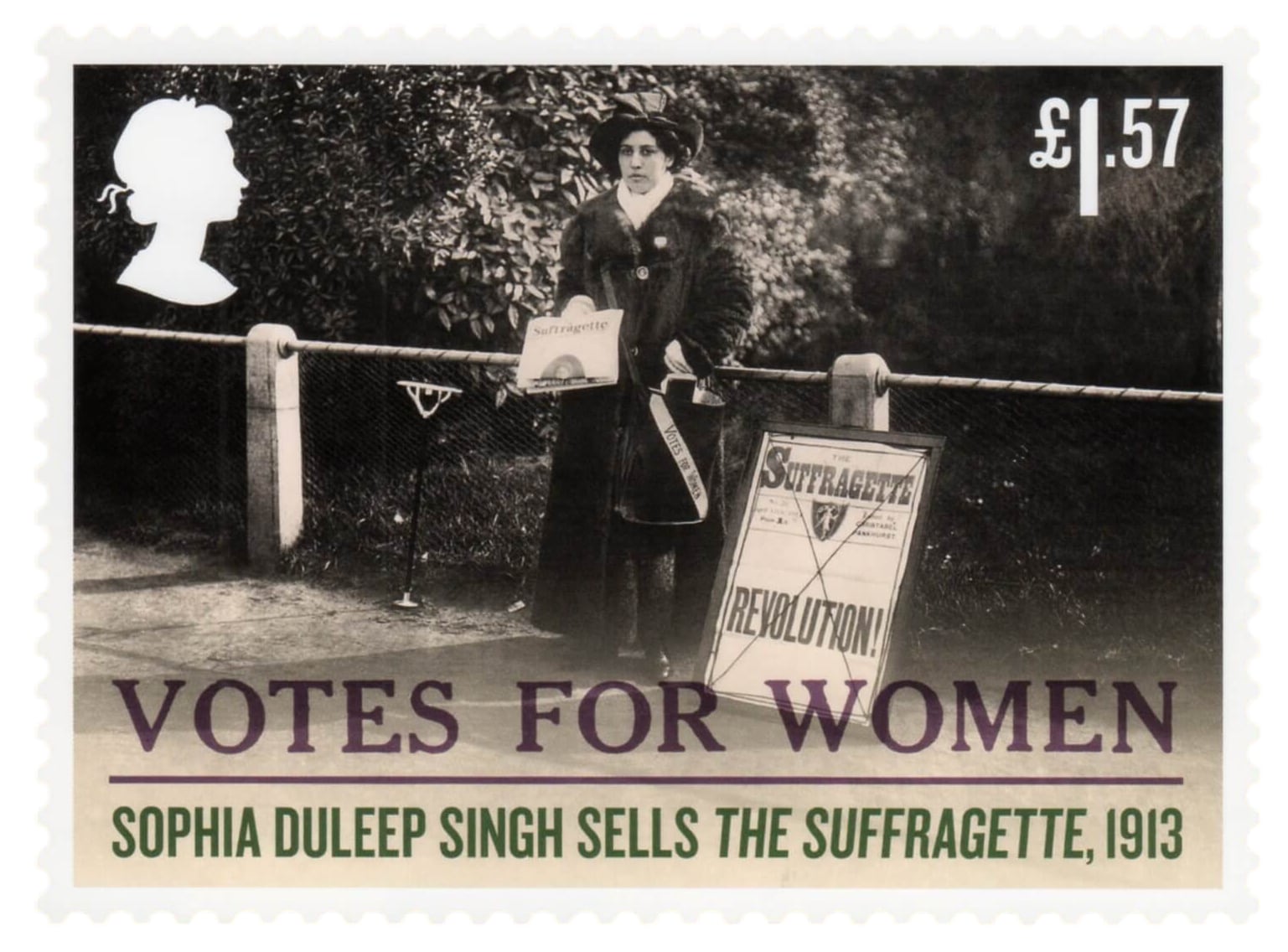
Princess Sophia Alexandra Duleep Singh (1876-1948): She was the daughter of Maharaja Daleep Singh and Bamba Muller. She was born in England and was a prominent suffragette (campaigner for womens rights). She was honored by Royal Mail with a stamp. (GB Stamps, 2018) She was also honored by English Heritage with a Blue Plaque for her work as a suffragette. (English Heritage, 2023)