There is lot of misinformation about these legendary swords that were proven in battle from the Crusades (1095-1291) to Anglo-Sikh wars (1845-49).
The name Wootz comes from South India where these swords were first made. They were known as 'wuku'
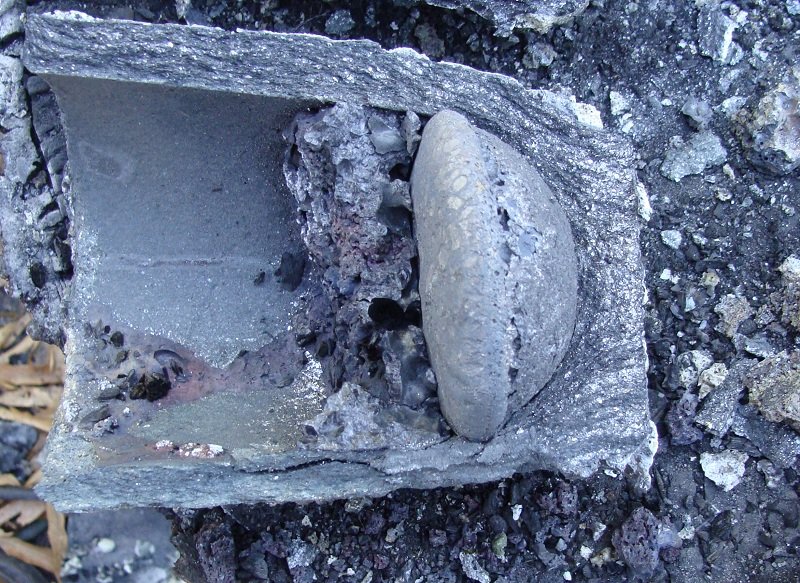
Wootz (and Fulad) steel are types of crucible steel. Iron from iron ore is mixed with carbon from leaves and organic matter, and heated in an airtight crucible sealed with molten glass. The steel ingot from the crucible is then hammered over days by skilled craftsmen to produce the final sword.
The unique qualities of Wootz Steel come from high percentage of Vanadium in the Iron ore which gives it a unique crystal structure. The unique qualities also come from differential carbon absorption from top to bottom of the steel ingot. The unique qualities also come from the process of making the sword where skilled craftsmen hammer it in a way to ensure high carbon strong steel on one side and low carbon flexible steel on other side. (J.D. Verhoeven, A.H. Pendray, and W.E. Dauksch, 1998)
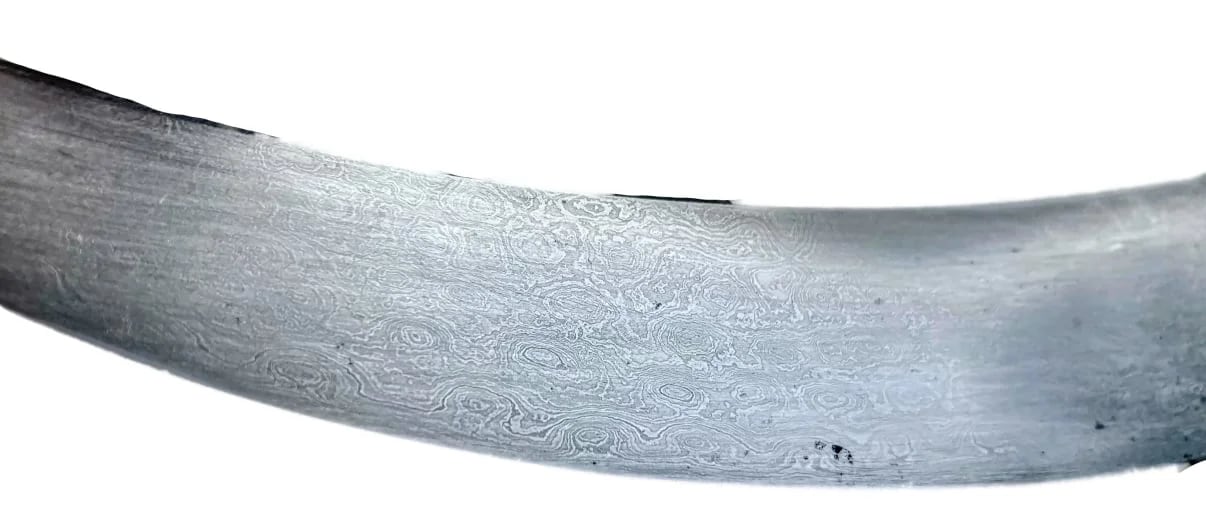
Wootz Steel swords can be easily recognized by fine wave pattern in the blade.
Wootz Steel was used in the Crusades by Saladin. (Andy Extance, 2016)
Wootz Steel ingots were exported to the Middle East and Damascus. The steel ingots were used by craftsmen there to make swords as well.
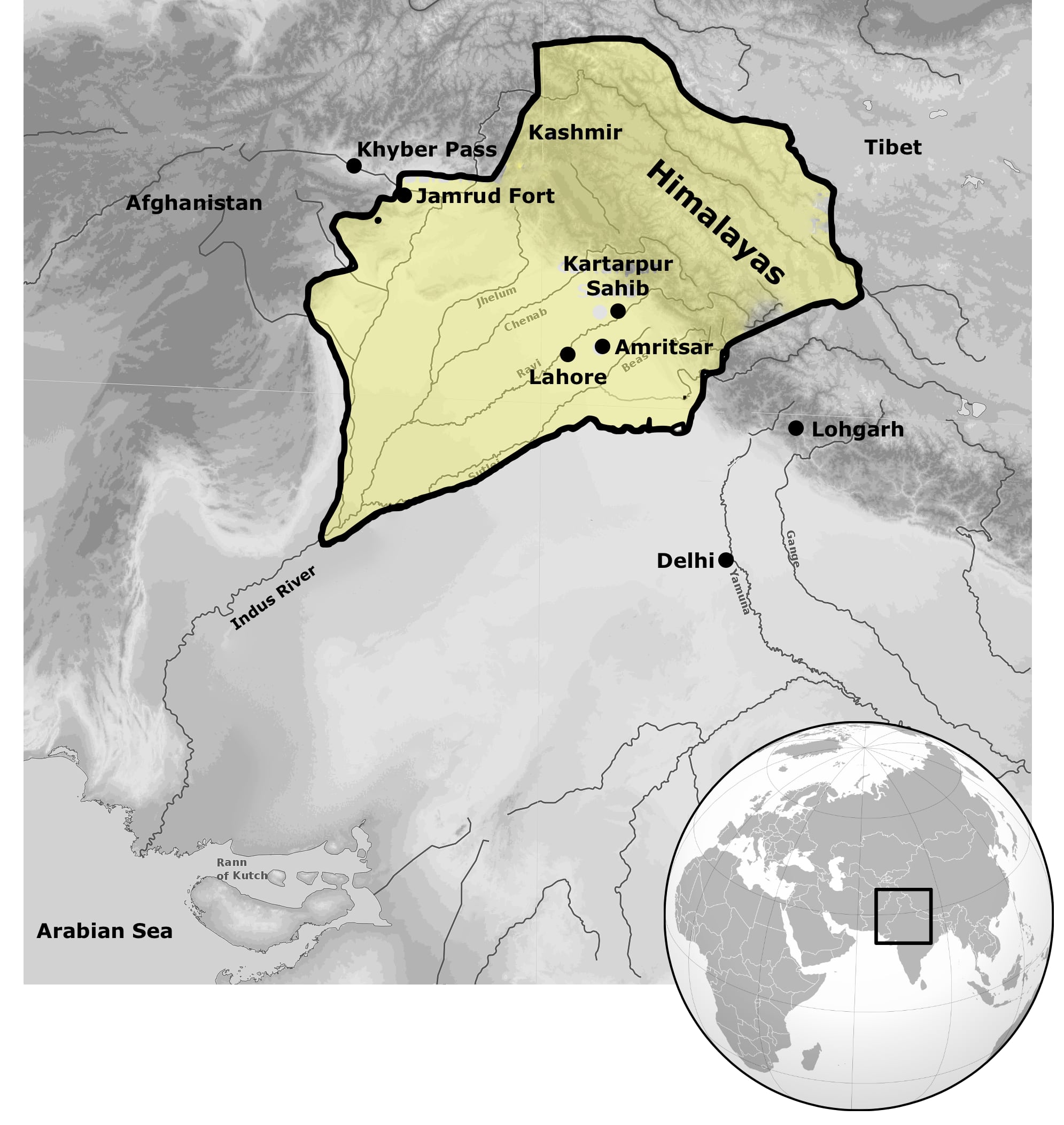
The Tenth Sikh Guru Gobind Singh was impressed by the work of Wootz Steel craftsmen. He honored them as Sikligarh (he who polishes) Sikhs and tasked them with making swords and weapons for the Khalsa Army.
Vanadium rich iron ore was depleted over time.
After the fall of the Sikh Kingdom, the British declared Sikligar Sikhs as criminal tribes. This was done to protect lower quality British Steel. Wootz Steel production fell into decline due to depletion of Vanadium rich Iron Ore as well. Sikligar Sikhs declined from makers of weapons to makers of utensils and implements.
This was probably the last large scale manufacture of Wootz Steel Swords. Sikligar Sikhs can be considered the last craftsmen of this lost art.
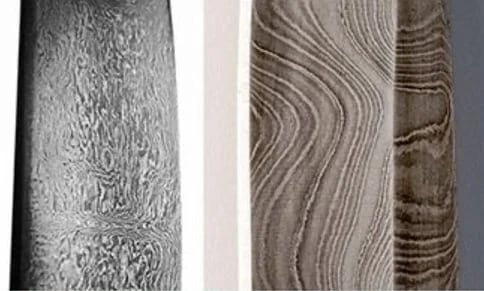
Most of the swords made today with wave pattern on the blade are Damascus Steel or Pattern steel. It is merely layers of thin steel folded onto itself. It is not the same thing as Wootz Steel and does not have its unique properties. (Andrew North, 2024)
As mentioned before, there is lot of conflicting information about Wootz Steel and the cosmetically related Damascus Steel and Pattern Steel.